In space games, the mechanics of movement and physics are more than just background code; they are crucial for creating immersive, engaging player experiences. Understanding these systems provides insight into how space games deliver the tension, freedom, and skill-based gameplay that players crave. This article explores several key elements of game mechanics inspired by sophisticated movement systems that inform space game design.
Chaining Moves and Creating Fluid Movement
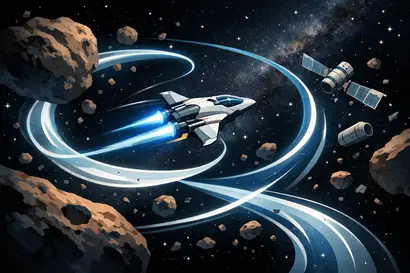
A fundamental component of memorable movement mechanics is the ability to chain multiple actions smoothly. Games like Super Mario Odyssey demonstrate how different types of jumps and moves can be combined to traverse challenging environments creatively. This principle holds strong in space games, where players often maneuver in zero-gravity or low-gravity conditions, requiring combinations of thrusts, boosts, and directional changes to navigate obstacles or engage in combat.
Chaining moves encourages players to experiment and fine-tune their control input to maximize efficiency and speed, turning movement into a skill-based mechanic rather than just a functional necessity. This fluidity transforms space navigation from a mere travel activity into an engaging gameplay challenge.
Leveraging the Environment for Strategic Advantage
Environmental interaction plays a huge role in enriching movement mechanics. Games such as Void Crew and other cooperative space titles highlight how players can exploit environmental features—like asteroid surfaces, wreckage, and space stations—to gain positional advantages or escape foes.
By incorporating mechanics such as wall-runs, rail grinds, or environmental bouncing adapted into space settings (e.g., zero-g momentum shifts or magnetic boots on surfaces), designers turn the game space into a traversal playground. These elements challenge players’ awareness and mastery of their surroundings, enhancing engagement and tactical depth.
The Importance of Timing and Momentum in Space Movement
Timing mechanics, such as perfectly timed thruster burns or boosting at critical moments, introduce rhythmic skill challenges into space game movement. For example, players might need to time their acceleration boosts to coincide with orbital slingshots or evade attacks efficiently. This adds a layer of strategic decision-making and excitement, as mistimed actions can lead to missed opportunities or dangerous consequences.
Momentum is especially vital in space environments, where inertia and Newtonian physics govern movement. Games like Elite Dangerous embed momentum-based mechanics that require players to build and maintain speed through careful control inputs like thrust management, boosting, or grappling maneuvers. Mastering momentum not only improves navigation speed but also positions players advantageously during dogfights and exploration.
Understanding Trajectories and Physics-Based Interactions
Trajectories—the paths that objects follow under the influence of forces—are essential in simulating realistic space movement. Players must calculate and anticipate these arcs when piloting spacecraft or using grappling hooks in zero-G environments. This skill fosters deep engagement as players mentally map out their routes and adjust their controls dynamically.
Physics-based mechanics, such as gravitational pull, drag, and force application, empower players to perform maneuvering feats like slingshotting around planets or executing precise docking procedures. The sense of control over a physics-simulated object can elevate gameplay satisfaction, giving rise to emergent strategies and thrilling skill expression.
Balancing Accessibility and Skill in Space Game Movement
While these mechanics introduce complexity, great space games balance accessibility with mastery. Features like “coyote time” — allowing leniency in jump or maneuver execution — help players feel in control without demanding perfection. At the same time, the games reward those who drill these skills through tighter timing, momentum maintenance, and precise environmental usage.
This balance creates an enjoyable learning curve, where basic play feels responsive and fun while offering depth for advanced players to refine and showcase their expertise. The result is a movement system that feels rewarding and intrinsically satisfying to master.
Conclusion: Movement and Physics as Cornerstones of Space Game Engagement
Understanding the mechanics of movement and physics in space games reveals a rich framework designed to maximize player freedom, skill expression, and satisfaction. By combining elements such as chaining moves, environmental interactions, precise timing and momentum management, and physics-driven trajectory control, developers craft experiences that are both challenging and exhilarating.
Through thoughtful design that balances skill-based challenge with player-friendly assistance, space games transform navigation and combat into dynamic, immersive gameplay pillars that resonate strongly with players. For those curious about space game design, diving deeper into these mechanics offers valuable insights into what makes these games so compelling.