Space simulation games have come a long way since their inception, evolving from simple, creative simulations to expansive universes that captivate players around the globe. This journey through the evolution of space simulation games offers an intriguing glimpse into how gameplay mechanics and storytelling have transformed over time.
Early Days of Space Simulation Games
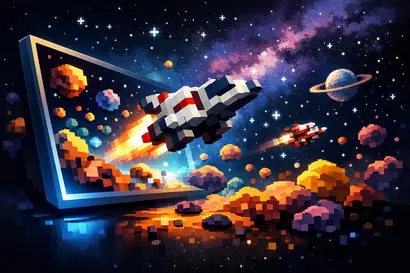
The early years of space simulation games were dominated by basic concepts that laid the groundwork for the genre. Players experienced the thrill of flying through digital representations of the cosmos, often with limited graphics but rich imagination. Classic games focused on exploration and conquering the challenges of outer space, introducing players to the concept of piloting their own ships in mysterious environments.
Titles like Elite Dangerous began to expand these core ideas, offering a sandbox universe where players could chart their own paths. The emphasis was on exploration, trading, and survival, which helped shape the genre’s foundational gameplay elements.
Modern Complexity and Innovation
Todays’ space simulation games offer profound complexity, marrying stunning graphics with intricate gameplay mechanics. Games like Warspace 2 highlight the possibilities of indie development in the genre, showcasing advanced customization options and RPG elements within a procedurally generated universe. This allows for a high degree of player freedom and a personalized experience.
The recent surge in interest for games like Star Trucker, which combines route planning with economic strategy, demonstrates the genre’s versatility. These games blend traditional simulation elements with engaging narratives, emphasizing the balance between exploration and resource management.
The Role of Multiplayer and Shared Universes
Multiplayer environments have become a significant trend in space simulation games. Titles like Dual Universe provide a seamless, player-driven world that emphasizes shared creation and interaction. The ability to collaborate on major projects, from constructing space stations to engaging in large-scale warfare, exemplifies the creative freedom offered to players.
Further, these games blur the lines between single-player and multiplayer experiences, encouraging community participation and shared narrative arcs. The introduction of these features has redefined how players interact with space simulations, elevating them from solitary journeys to social experiences.
Looking Ahead: The Future of Space Simulations
The genre continues to thrive with games like Everspace 2 and Starfield, pushing the boundaries of exploration and storytelling. As technology advances, space simulation games are likely to grow even more immersive, with developers incorporating virtual reality and AI-driven narratives to enhance the immersive gameplay experience.
The future of space simulation games promises increased interactivity and deeper engagement, offering players the chance to redefine the boundaries of virtual space and time.
For further insights into the genre, explore our articles on the best sci-fi games and the development of EVE Online.